How Long Until You Feel Better at Tropic Athlete (Melbourne, FL) — Real Treatment Timelines for Performance-Focused Athletes
As a performance-focused athlete in Melbourne, FL, the last thing you want is to be sidelined while everyone else is out training. Whether you are a runner logging miles on the riverside trails or an athlete pushing for a new personal record, being out of commission is frustrating. When an injury strikes, your immediate question is: how soon can I get back?
At Tropic Athlete, we understand that urgency. "Rest and ice" is rarely the answer performance-driven athletes need. While there is no shortcut to genuine recovery, performance physical therapy built around transparency and individualized care gets you back stronger and more resilient than before. Below is an honest look at what real recovery timelines look like and how a specialized approach supports your long-term athletic goals.
What Happens at Your First Visit
Your experience at Tropic Athlete begins with an extensive initial evaluation. This is not a rushed assessment shared with multiple patients. Dedicated one-on-one time is spent understanding your injury, your sport, your movement patterns, and your performance goals in full.
Rather than addressing temporary symptoms, this evaluation identifies root causes. A Functional Movement Assessment or Movement Screen may be used to pinpoint exactly where your body is compensating or breaking down. From there, a precise, individualized plan is built so that every session moves you meaningfully closer to returning to sport.
Immediate Relief and Long-Term Resilience
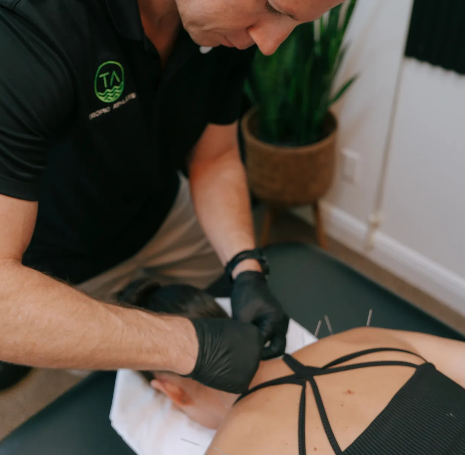
Athletes naturally want pain relief fast, and that is a reasonable expectation. Manual therapy techniques including dry needling, cupping, myofascial release, and IASTM/Graston are used early in the process to reduce pain and restore mobility. These hands-on modalities address tissue restrictions and calm an overloaded nervous system so you can begin moving better, sooner.
However, symptom relief is only the starting point. As pain decreases, the focus shifts quickly toward rebuilding strength and optimizing movement. Tools like Blood Flow Restriction (BFR) training and neuromuscular re-education allow muscles to be loaded and strengthened even when full training loads are not yet appropriate. This dual approach ensures you are not just temporarily pain-free but genuinely more durable going forward.
Treatment Timelines: A Phase-by-Phase Overview
Recovery timelines in performance physical therapy are highly individual, but most athletes move through recognizable phases. Understanding these phases helps set realistic expectations from day one.
Acute Phase (Days 1 Through 7)
The primary goals here are pain reduction and protecting the injured area. Manual therapy, gentle mobility work, and therapeutic exercise are introduced to calm inflammation and begin restoring basic function without aggravating the injury.
Sub-Acute Phase (Weeks 1 Through 4)
As pain settles, the focus shifts to restoring range of motion and rebuilding foundational strength. Sport-specific movements are introduced carefully during this window so you can maintain some level of training activity without setbacks. Soft tissue mobilization, taping, and balance and proprioception training are commonly used during this phase.
Performance and Return-to-Sport Phase (Weeks 4 Through 12 and Beyond)
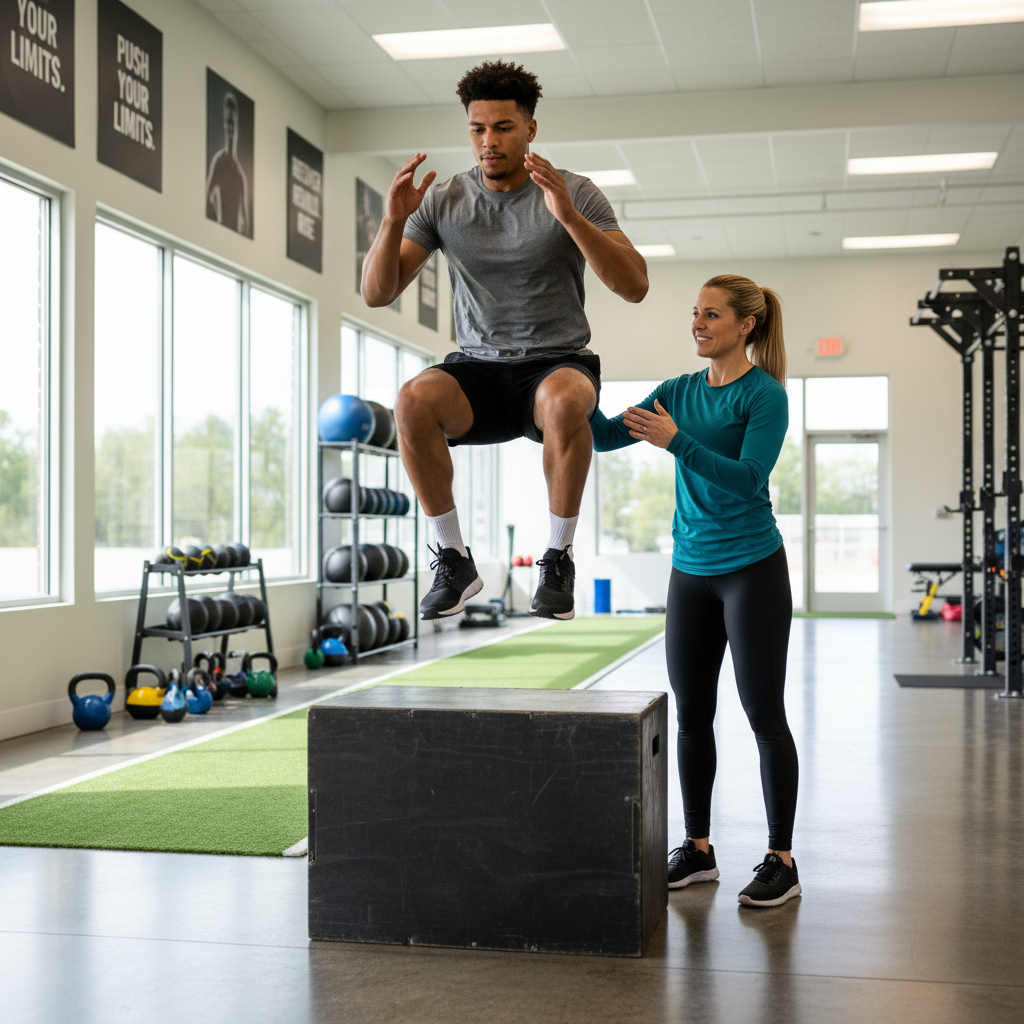
This is where performance training takes center stage. Plyometrics, return-to-sport progressions, and high-level strength and conditioning work are layered in systematically. The goal is not simply being pain-free but being fully prepared to perform at your peak. Return-to-Sport Testing may be used here to objectively confirm readiness before full clearance.
More significant injuries such as an ACL injury, meniscus injury, or rotator cuff tear will naturally extend these timelines into several months of dedicated rehabilitation and performance training.
Factors That Influence Your Recovery Speed
The roadmap matters, but several individual factors shape how quickly any athlete progresses.
- Consistency and adherence: Following your individualized plan between sessions is the single most controllable factor in your recovery speed.
- Injury severity: A mild ankle sprain resolves far more quickly than chronic Achilles tendinopathy or a labral tear.
- Lifestyle habits: Sleep quality, nutrition, and stress management directly affect how efficiently tissues heal and adapt.
- Injury history: Previous injuries can create movement compensations that require more comprehensive manual therapy and corrective work to address before full performance can be restored.
A Performance Model Built for Athletes in Melbourne, FL
The goal at Tropic Athlete extends beyond getting you through your next workout. The focus is on building athletes who stay healthy, move well, and perform at a high level for the long term. This means moving beyond reactive injury treatment toward proactive injury prevention, strength building, and mobility and flexibility work that supports a lifetime of activity.
Services like Running Physical Therapy, Sports Performance Training, Strength and Conditioning, and Therapeutic Bodywork and Stretch Therapy are all part of a continuum designed to meet athletes wherever they are in their journey, whether that is post-surgery rehabilitation, pre-season prehab, or simply optimizing performance.
If you are ready to understand your recovery timeline and take a structured, performance-focused approach to getting back to the sports you love, Tropic Athlete is ready to help you get there.
Get back to training stronger
Book a visit and get a thorough evaluation focused on your movement, your goals, and building a plan that works for how you actually live and train.